Designing A Sustainable Family Home In South London
Updated: Jun 10

Recently, our family home was featured in Build It Magazine, a project my husband Rupert Scott and I designed together over several years as both a personal renovation and, in many ways, an evolving reflection of the way we think about homes more broadly.
Designing your own house is always different from designing for clients. The process becomes more instinctive, more layered and often far less linear. You live alongside the decisions for much longer, and the priorities become very clear very quickly: how the house feels to wake up in, how light moves through the spaces, how family life actually functions day-to-day.
This project became less about creating a “finished” home and more about creating one we could properly grow into over time.
Designing Around Everyday Life
From the beginning, we were far more interested in atmosphere and functionality than creating something overly polished or trend-led.
The house needed to work hard for family life whilst still feeling calm, warm and connected throughout. Much of the renovation focused on improving the flow between spaces, bringing more natural light into the house and strengthening the relationship between the interior and garden.
As with many period properties, some of the most impactful changes were architectural rather than decorative. Proportion, circulation and natural light shaped many of the key decisions long before finishes or furniture entered the conversation.

Creating Warmth Within Contemporary Interiors
One thing I often come back to in both client work and our own home is the idea that contemporary interiors don’t need to feel cold or minimal to be successful.
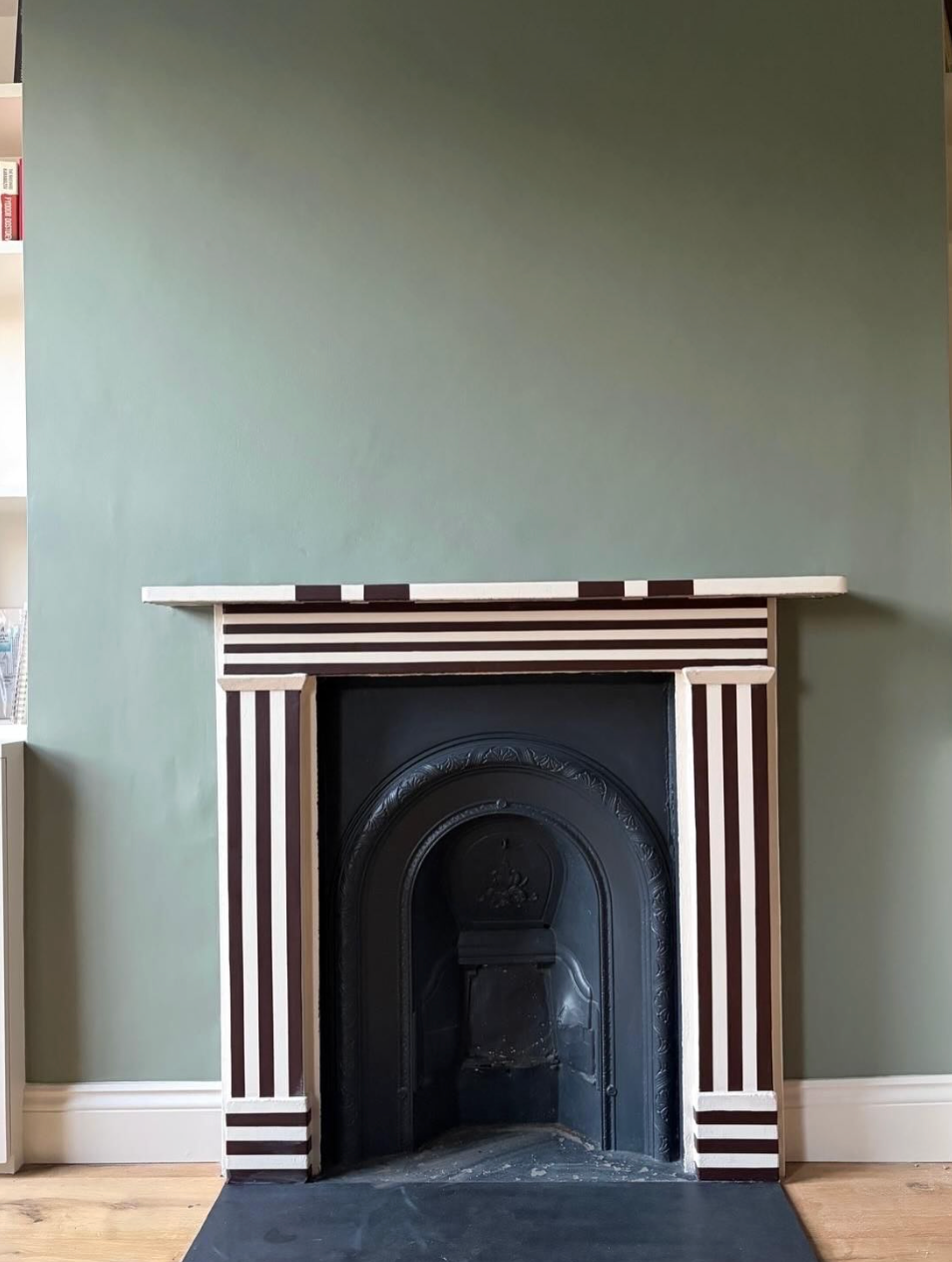
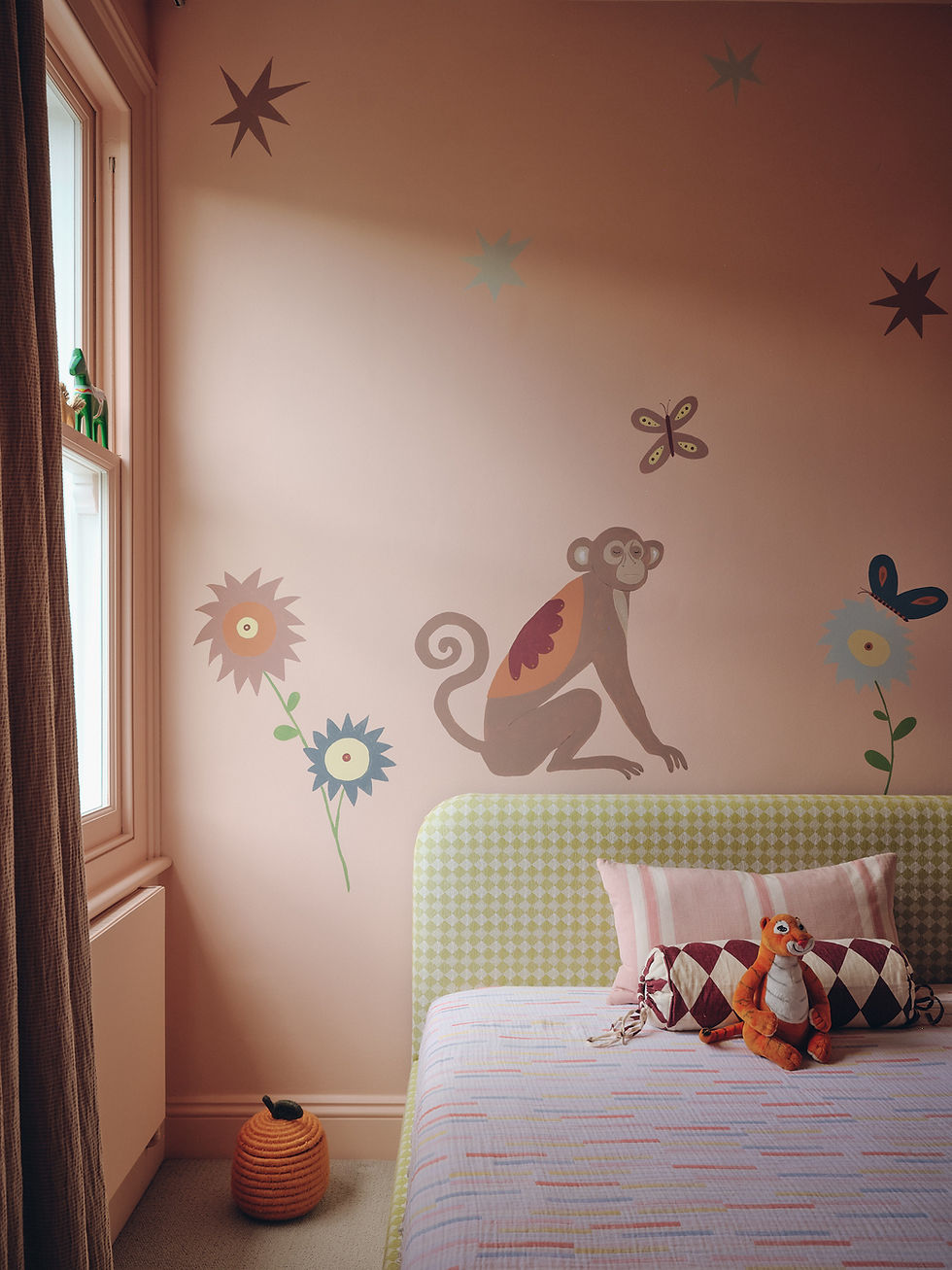
For this project, Rupert and I wanted the house to feel layered, relaxed and deeply lived in. Natural materials became incredibly important throughout the process - timber joinery, softer muted tones, tactile finishes and materials that would age well over time.
The interiors were designed to feel quiet rather than sparse. Spaces that reveal themselves gradually rather than trying to make an immediate statement.
Living in the house every day has probably reinforced my belief that the best interiors are often built through smaller, cumulative decisions rather than singular dramatic gestures.
Sustainability As Part Of The Design Process
The Build It feature explored sustainability within the renovation, which was something embedded into the project from the outset.
For us, sustainability was never about creating a house filled with obvious eco gestures. It was about longevity. Retaining and improving what already existed where possible, designing spaces that genuinely function long-term and investing in materials that would continue to age beautifully over time.
I think sustainable design is often quieter than people expect. Usually it comes from creating homes people can genuinely live in and love for decades rather than needing to constantly redesign or replace.

Featured In Build It Magazine
It was really lovely seeing the house featured in Build It Magazine and having the opportunity to reflect on the process of designing a home not just as a designer, but as someone living in it every day alongside my family.
You can read the full feature here: