Sustainability in Interior Design
Updated: May 18

The word sustainability is everywhere in interior design. It’s used in brand statements, sales pitches, and trend forecasts - yet the more it’s repeated, the more slippery it becomes. It can mean everything, and at the same time, nothing at all.
For us at Kinder Design, sustainability isn’t about perfection, rules, or ticking boxes. It’s about kindness - a considered, thoughtful approach to our relationship with objects, process and people. That philosophy is what led us to our name, and it continues to shape how we work as an interior designer.

Kindness to Objects: What We Bring Into a Home
When we talk about objects, we’re talking about what we choose to remove from a home and what we choose to introduce in its place.
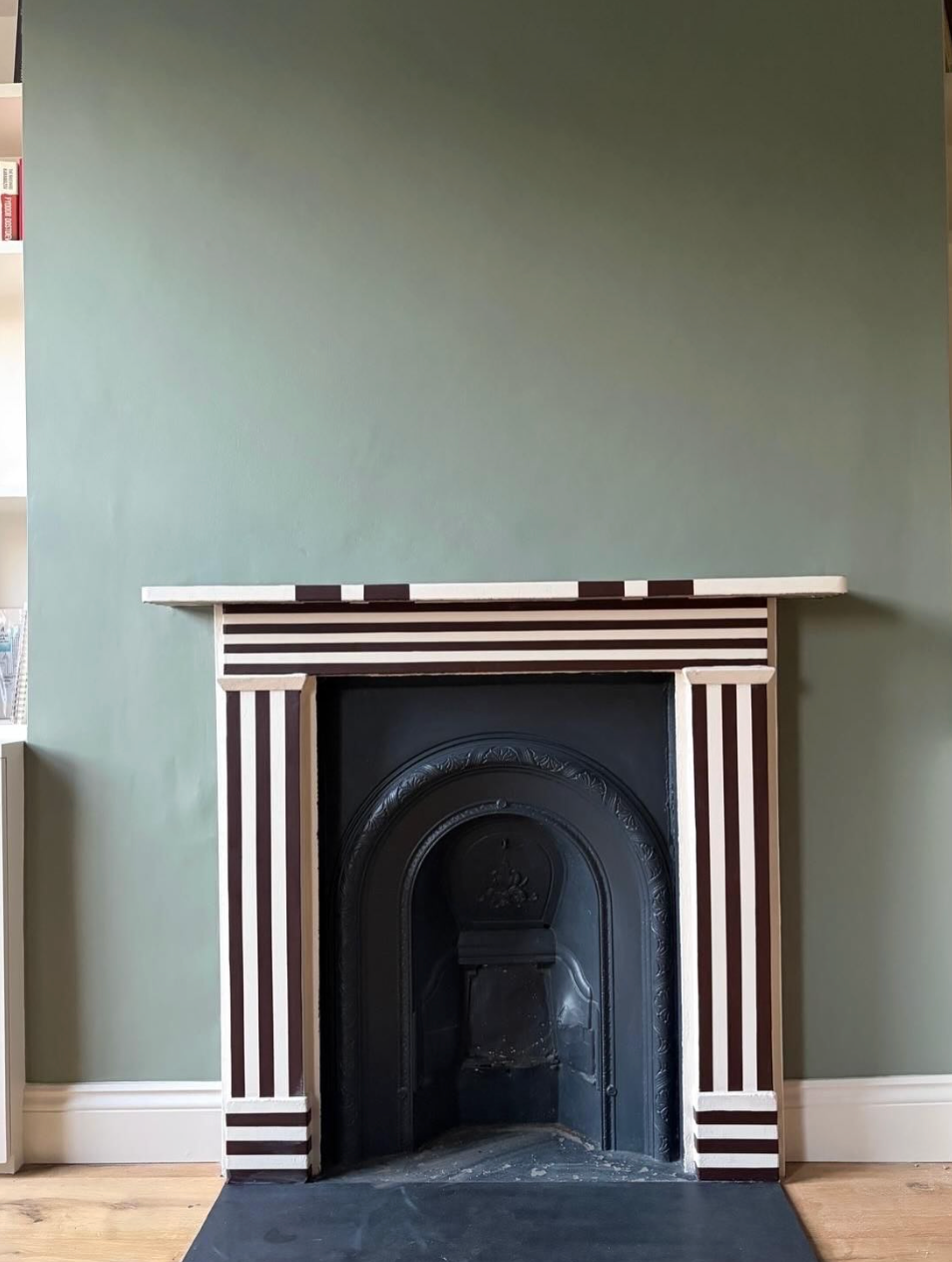
A kinder approach to sustainable interior design often starts with reusing what already exists. Retaining and reworking existing elements not only preserves character, but also significantly reduces the carbon impact that comes with ripping out and replacing perfectly functional items.
When new pieces are needed, we encourage clients to buy thoughtfully. That might mean sourcing antique or vintage furniture, or selecting new pieces that have been made with care, intention, and longevity in mind. We often return to the idea of “buy once, buy well” - choosing materials and furniture that will last for decades, rather than items that need replacing every few years.
Good interior design isn’t about constant consumption; it’s about making fewer, better decisions.
Kindness to Process: How a Project Is Designed and Delivered
Kindness also shows up in the way a project unfolds.
In a fast-paced industry that often prioritises speed, we choose to slow things down. As an interior designer, that means giving each project the time and attention it deserves - properly understanding the design challenges, the realities of a lived-in home, and the practical constraints of budget and timescale.
Thoughtful interior design doesn’t need to be overcomplicated. We aim for intelligent, well-considered solutions that balance creativity with clarity, avoiding unnecessary complexity wherever possible. A calm, well-planned process leads to better outcomes -for the space, and for the people living in it.

Kindness to People: Collaboration Over Transaction
Finally, sustainability in interior design is deeply human.
Every project involves a network of relationships - not just between designer and client, but also with tradespeople, craftspeople, specialist makers, and fellow designers. A kinder approach means ensuring everyone involved is treated with respect, and that the process feels collaborative rather than transactional.
When people feel valued, the work is better. Spaces are made with more care, communication is clearer, and the end result feels more considered and meaningful.
Redefining Sustainability in Design
This approach isn’t perfect or dogmatic and it doesn’t claim to be. But we’ve found it useful to define sustainability in a way that feels realistic, humane, and achievable.
For us, sustainable interior design is about small acts of kindness, repeated over time, with the aim of creating homes where people can genuinely thrive.
And that feels like a good place to start. If you’re thinking about how to approach your own home with more intention, whether that’s reworking what you already have or designing something new with care - we’d love to hear from you.
If you'd like to understand how our sustainability values shape how we work with clients, our FAQ covers our approach in more detail. Or get in touch to start a considered, collaborative conversation about your space.